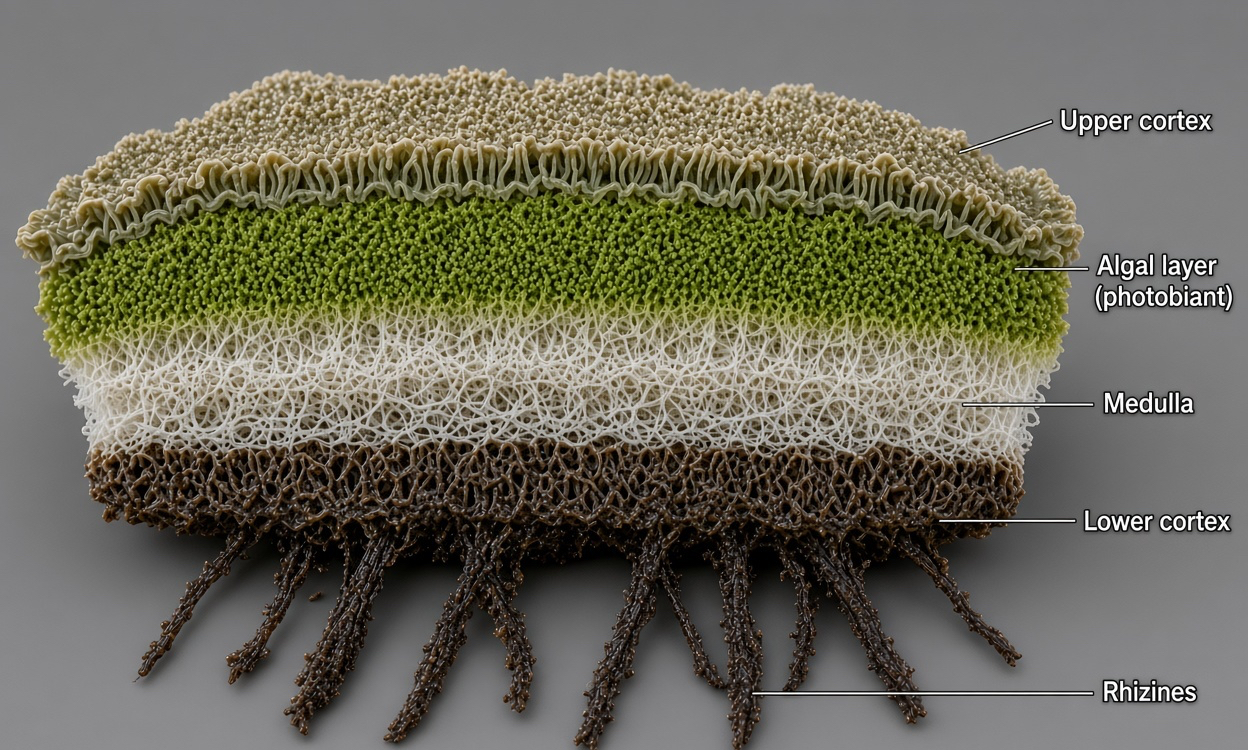
Cyanobacteria on Roofs: Understanding the Black Staining
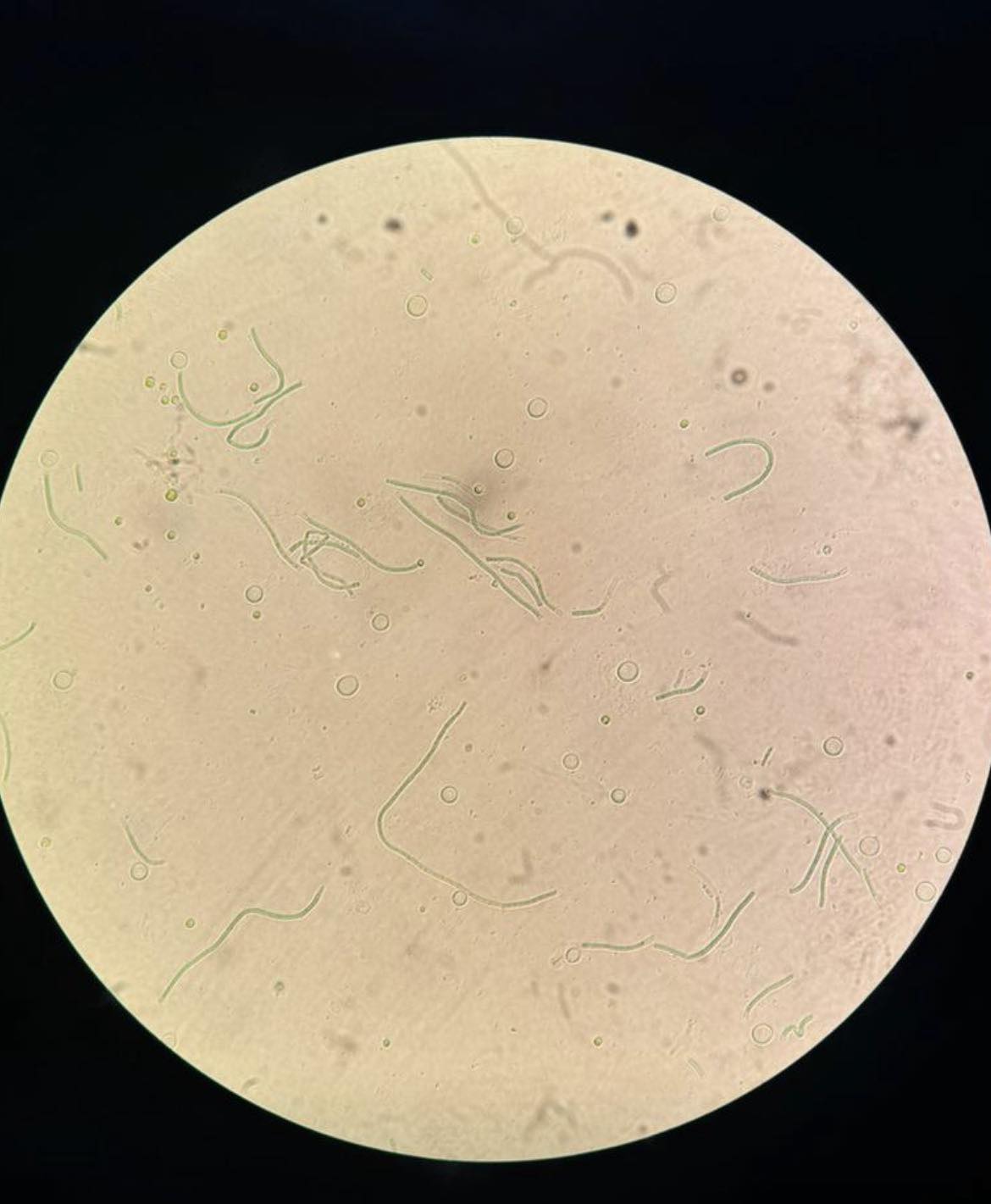
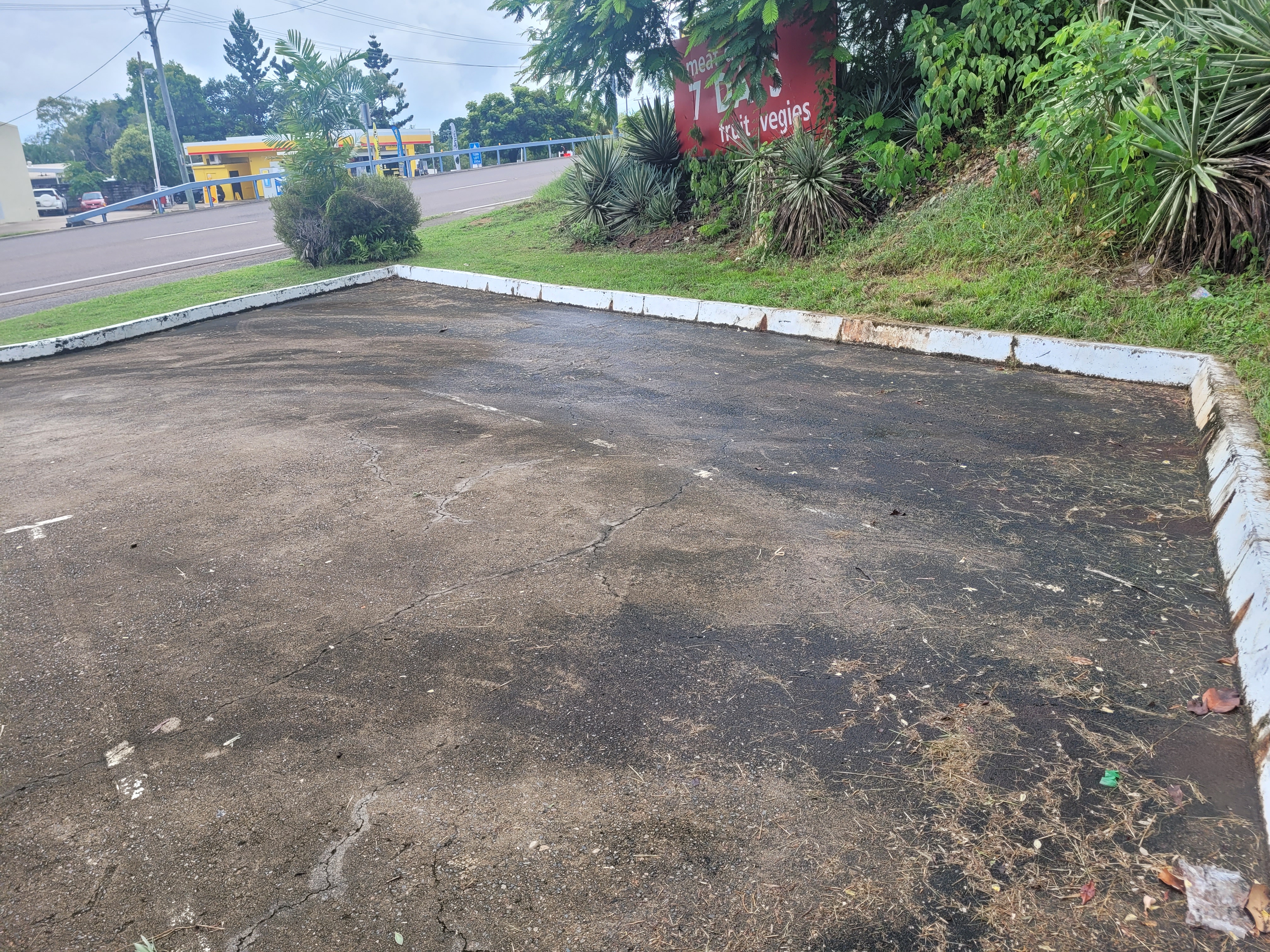
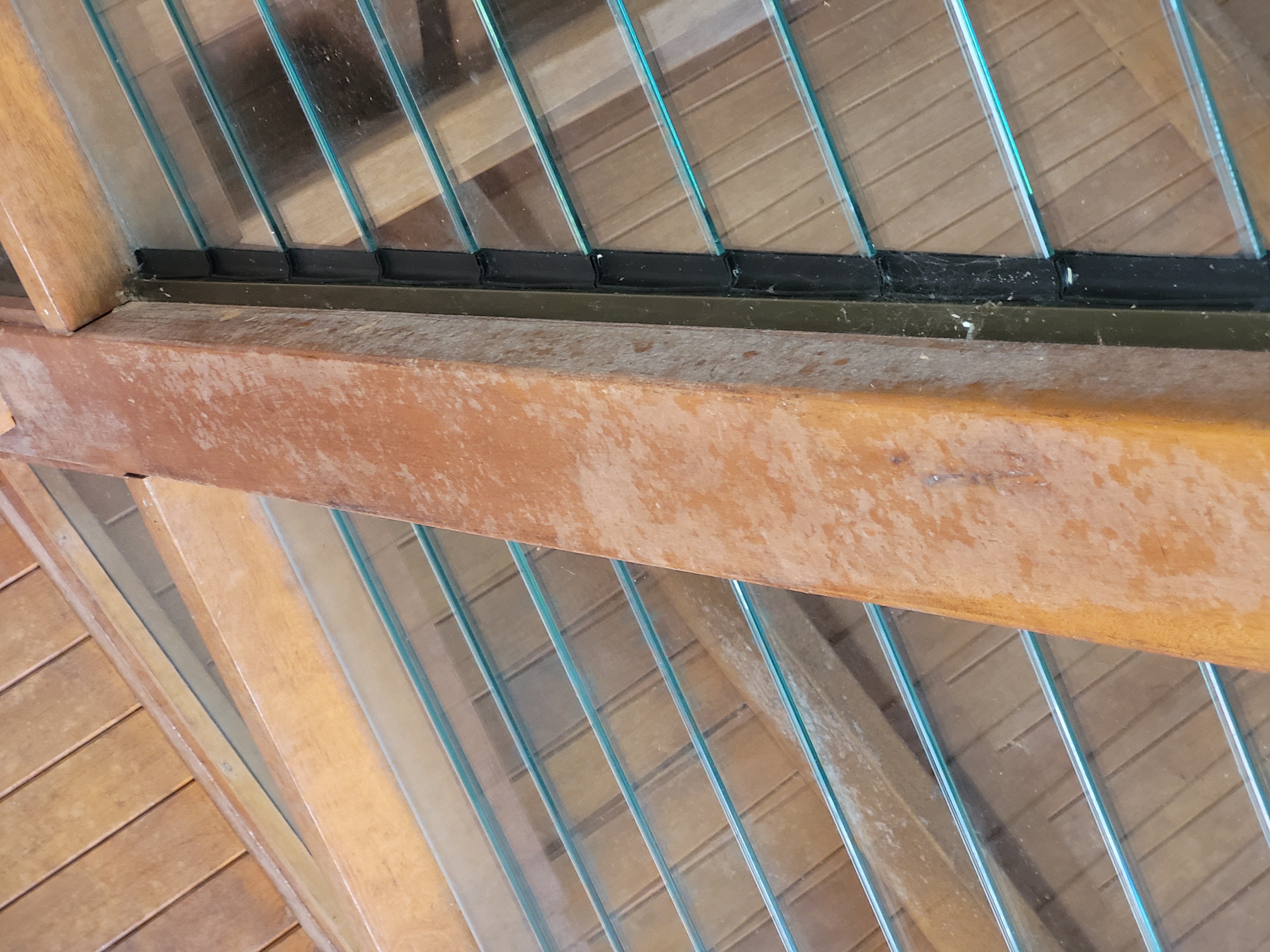
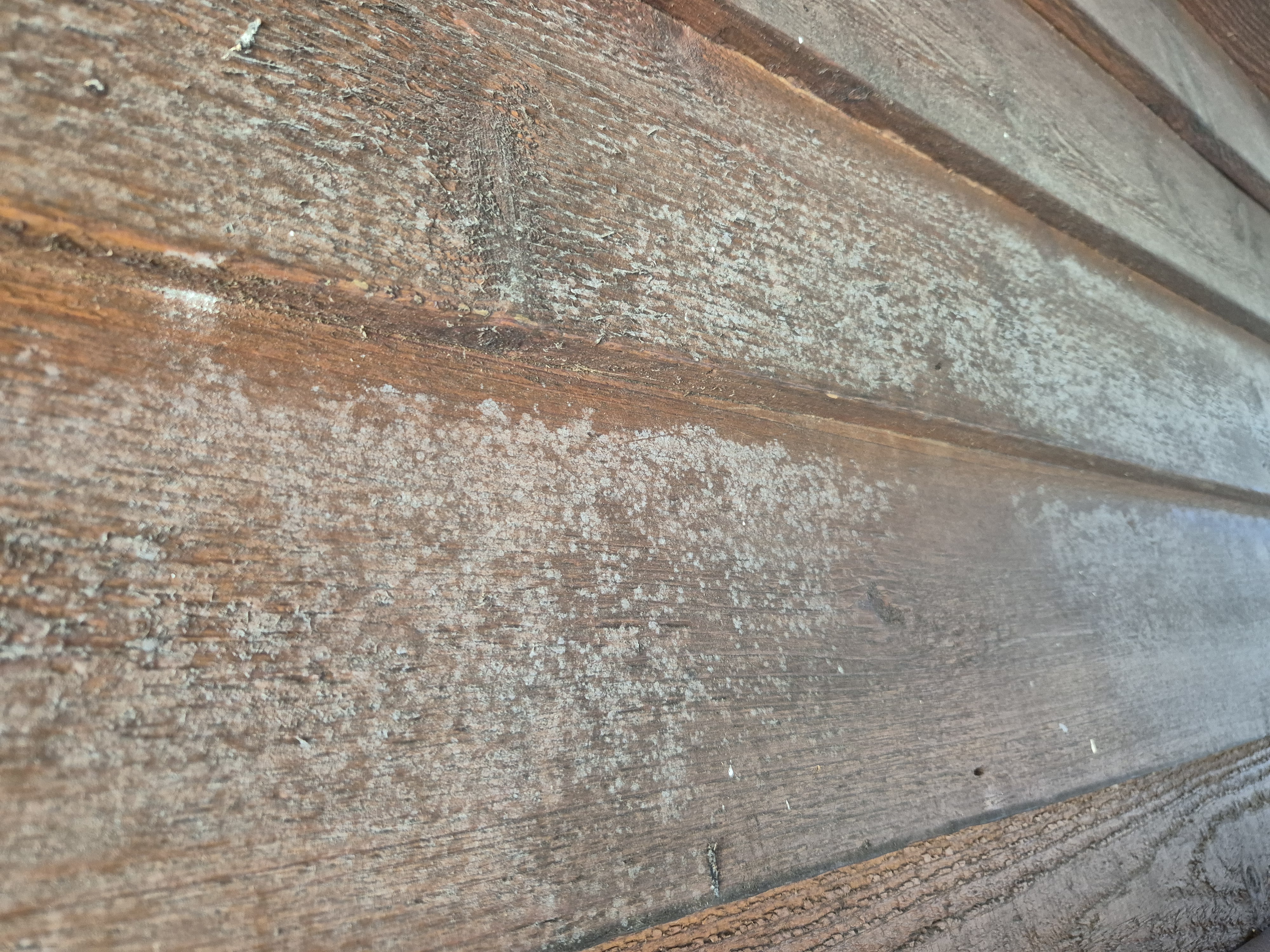
Black streaks and dark staining on roofs are often casually referred to as mould. However, the organism responsible for much of this familiar roof discolouration is actually a cyanobacterium, a type of photosynthetic microorganism that is biologically quite different from fungi and moulds.
Understanding what cyanobacteria are, how they reproduce and how they spread helps explain why roof cleaning isn't simply a matter of removing what can be seen on the surface.
Cyanobacteria Are Not Mould
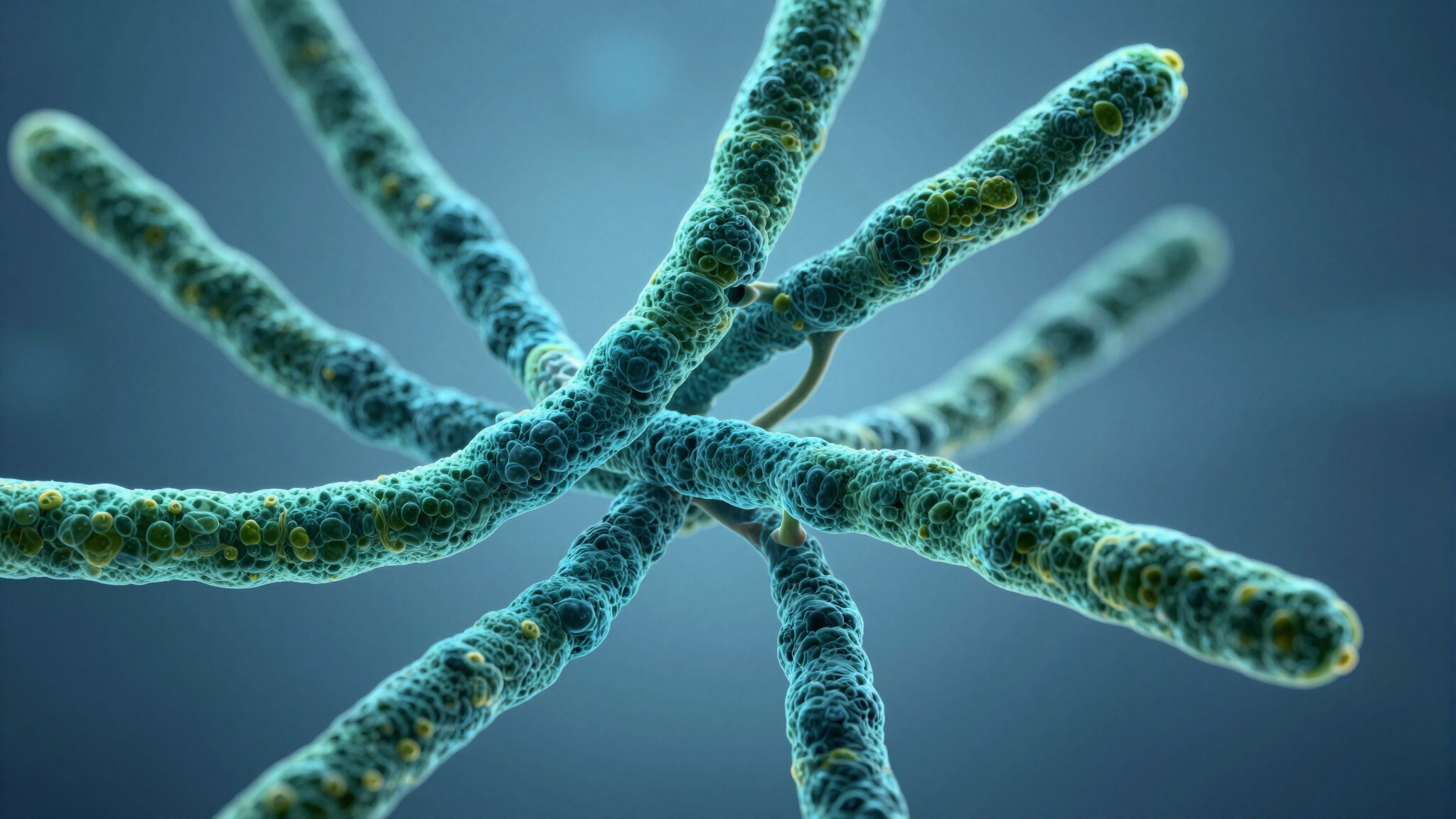
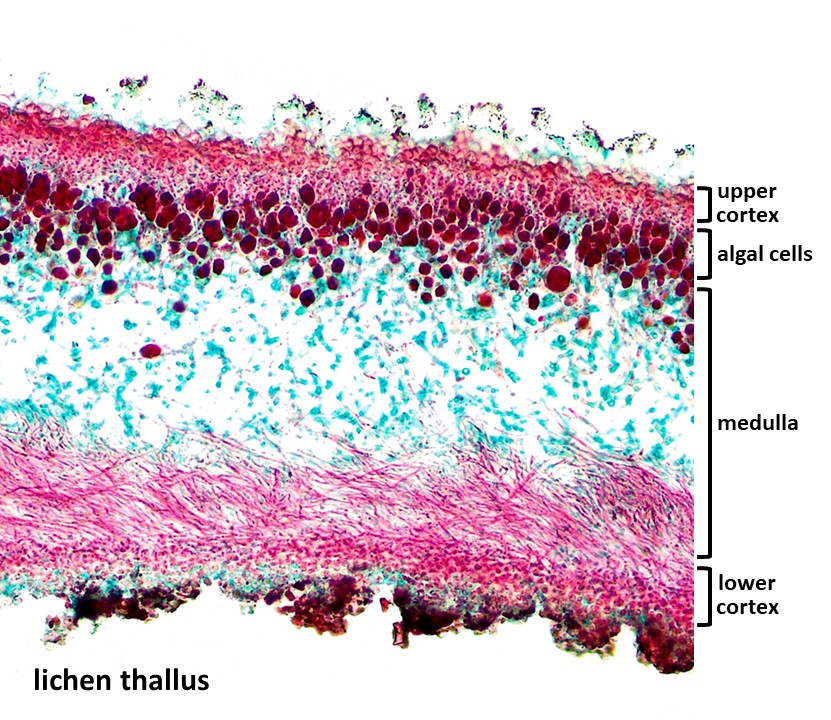
Cyanobacteria are microscopic organisms that can live on a wide range of outdoor surfaces, including roofing materials. They can form colonies and biofilms that appear as dark streaks, patches or staining.
Unlike mould, cyanobacteria are not fungi and do not reproduce by producing fungal spores.
Instead, they primarily reproduce through cell division. Individual cells grow and divide, producing additional cells which can continue to multiply and form larger colonies.
Over time, these cells can become incorporated into a protective layer of extracellular material, allowing the colony to attach to and persist on the roof surface.
How Does Cyanobacteria Spread?
Reproduction and spreading are two different processes.
While cyanobacteria reproduce primarily through cell division, cells and fragments of colonies can be transported from one location to another.
This can occur through:
- Wind
- Rain and stormwater
- Water runoff
- Splashing
- Birds and other animals
- Contaminated equipment
- Contact with other surfaces
Once cells reach a suitable environment, they can establish themselves and begin multiplying.
This helps explain why black roof staining can eventually appear on neighbouring sections of a roof, or return after an area has been cleaned.
Why Does It Form on Roofs?
Roofs can provide an ideal environment for microorganisms when moisture, shade, organic material and suitable temperatures are present.
Areas that remain damp for longer periods are particularly susceptible. North-facing or shaded sections, areas beneath trees and sections affected by poor drainage or overhanging vegetation can provide conditions that encourage biological growth.
As colonies develop, they can produce the familiar dark appearance associated with heavily stained roofing.
The visible black streak is therefore not necessarily just a layer sitting loosely on top of the roof. A developed colony can be attached to the surface and surrounded by a protective extracellular matrix.
Killing It Isn't Always the Same as Removing It
This distinction is important.
A treatment may kill or deactivate the microorganisms responsible for the growth, but that doesn't necessarily mean the visible staining will immediately disappear.
Dead biological material, pigments and remnants of the colony can remain attached to the surface.
The Bottom Line: The black staining commonly found on roofs should not automatically be described as mould. Cyanobacteria are microorganisms that reproduce primarily through cell division and can spread through the movement of individual cells and colony material. Understanding this biology helps explain why effective roof cleaning is about more than simply applying a chemical or increasing pressure. The right approach is to identify the biological growth, understand the roofing material and its condition, and use a surface-specific cleaning and treatment method designed to achieve the result without unnecessarily compromising the surface.
At Ultrasoft Cairns, we provide peace of mind with a 12‑month warranty against cyanobacteria regrowth, supported by our technical expertise and strict adherence to BlueScope’s technical bulletins. Our professional approach focuses on sustainable care that common cleaning methods often lack. Was your last roof clean carried out in line with BlueScope’s guidance, or was it simply water blasted?
Mould on Exterior Surfaces
Understanding the Difference Between Mould and Cyanobacteria
Dark staining on an exterior surface is often automatically described as mould. However, not every black or dark-coloured growth is mould.
Some of the most common dark roof staining can be associated with cyanobacteria, while other areas may genuinely contain fungal mould. Although they can look remarkably similar, they are biologically different organisms and should not automatically be treated in the same way.
Understanding the difference is an important part of professional surface cleaning.
Mould Is a Fungus
Mould is a type of fungus. Unlike cyanobacteria, which are photosynthetic microorganisms, mould is part of the fungal kingdom.
Mould grows through microscopic structures called hyphae, which can develop into a larger network known as mycelium. Mould also produces reproductive structures and spores that can become airborne and spread to other locations.
Spores are extremely small and can be transported by air movement, moisture, people, animals and contaminated materials.
This is one of the reasons mould should be treated differently from biological staining caused by cyanobacteria.
Not All Black Mould Is "Toxic Black Mould"
The term "black mould" is often used to describe any dark-coloured mould. However, colour alone cannot identify a particular species or determine whether a mould is toxic.
Some moulds can produce substances known as mycotoxins under certain conditions, but it is not appropriate to assume that every black mould is toxic simply because it is black.
What matters from a cleaning perspective is recognising that visible mould represents fungal growth and that mould spores can spread during disturbance.
Government health guidance recommends addressing mould promptly, using appropriate protective measures and, importantly, correcting the moisture problem that allowed the mould to develop.
Why Mould and Cyanobacteria Should Not Automatically Be Treated the Same
Cyanobacteria and mould may produce similar-looking staining, particularly on roofs and other exterior surfaces, but their biology is different.
Cyanobacteria primarily reproduce through cellular division and colony formation.
Mould is a fungus and can reproduce through spores.
That difference matters because a treatment designed primarily around controlling cyanobacterial growth is not necessarily the ideal approach for fungal mould.
At Ultrasoft, we believe the first step is understanding what we are dealing with rather than simply reaching for the strongest chemical available.
Why We Don't Reach for Strong Chlorine for Mould
Chlorine is a powerful oxidising agent and has broad antimicrobial activity. It can certainly be useful in some cleaning and disinfection applications, and government guidance recognises appropriately diluted bleach as one option for certain mould-cleaning situations.
But stronger does not automatically mean better.
High concentrations of sodium hypochlorite can be corrosive to metals and can present additional risks to surrounding materials, vegetation, operators and the environment. Chlorine can also be consumed by organic material, reducing its effectiveness as it reacts with the material being treated.
For these reasons, Ultrasoft does not believe that simply increasing chlorine concentration is a sensible universal solution for mould control.
Our philosophy is to use a product designed for the biological problem being addressed.
BioMould – Designed Specifically for Mould Control
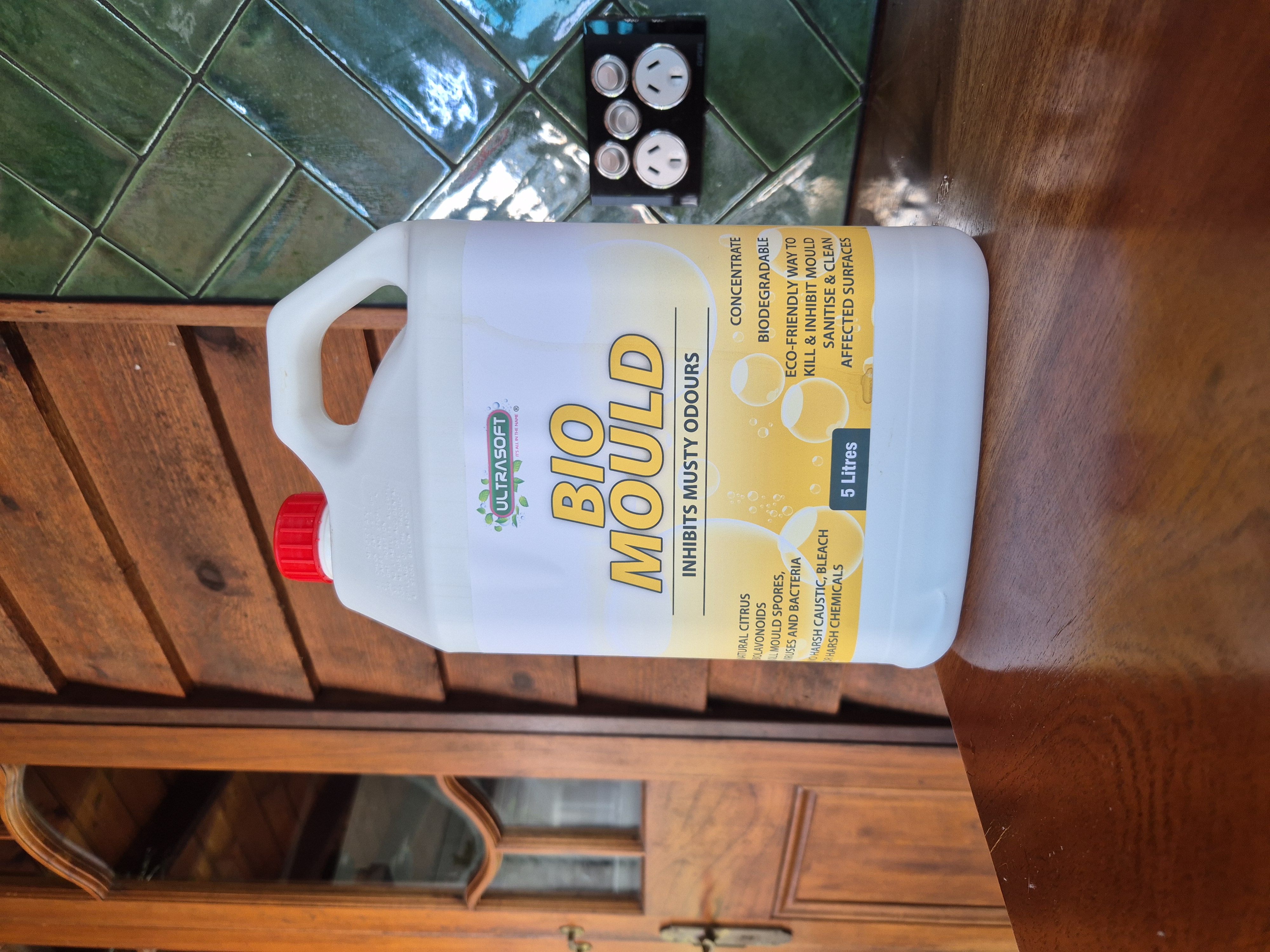
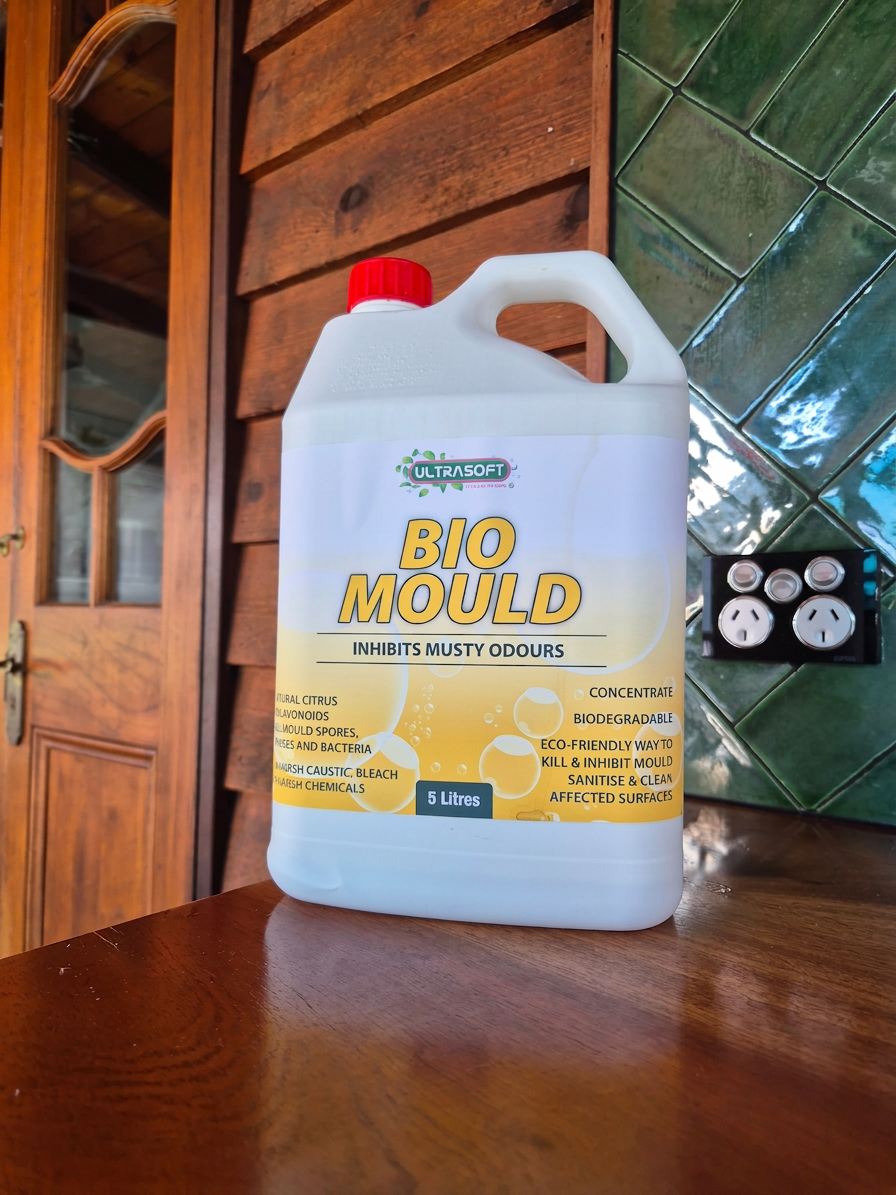
Ultrasoft BioMould is specially formulated for mould control.
Rather than relying on a high-strength chlorine treatment, BioMould uses a formulation incorporating plant-derived bioactive compounds, including bioflavonoid-based chemistry, designed to target fungal growth.
The objective is not simply to bleaching the appearance of mould.
It is to treat the biological growth itself while avoiding unnecessary chemical aggression toward the surface.
This distinction is important because bleaching a dark stain and controlling fungal growth are not necessarily the same thing.
What Are Bioflavonoids?
Bioflavonoids are naturally occurring plant compounds belonging to a large family of polyphenolic substances found throughout the plant kingdom.
Plants use many of these compounds as part of their natural defence systems. They are found in a wide range of fruits, vegetables, herbs and other plants.
One interesting example comes from Capsicum — the family of chilli peppers.
Capsicum contains a complex mixture of naturally occurring compounds, including flavonoids, phenolic compounds and capsaicinoids. Scientific research has demonstrated antimicrobial and antifungal activity associated with Capsicum compounds and extracts.
This is an excellent example of how chemistry found in nature can provide useful biological activity without relying exclusively on aggressive oxidising chemicals.
An Important Distinction
Capsaicin, the compound responsible for much of the heat in chilli peppers, is not itself a bioflavonoid.
Capsicum contains several different classes of naturally occurring compounds, including flavonoids and capsaicinoids. Research into Capsicum extracts has found effects on fungal growth and reproductive structures, demonstrating the potential of plant-derived compounds in fungal control.
At Ultrasoft, we are interested in this broader principle: using intelligent chemistry and biological understanding rather than simply increasing chemical strength.
Mould Treatment Is About More Than What You Can See
Visible mould is only part of the problem.
Mould can release spores into the surrounding environment, and those spores can settle elsewhere. Simply removing the visible colour without addressing the underlying growth and moisture conditions can allow the problem to return.
Australian health guidance specifically recommends addressing the underlying moisture problem because mould can return when favourable conditions remain.
This is why professional mould control should consider:
- The type of surface
- The condition of the surface
- The visible fungal growth
- Moisture and environmental conditions
- The potential for spores to spread
- The appropriate treatment chemistry
- Safe removal of the remaining biological material
Mould Control Is Not About Maximum Chemical Strength
There is a common assumption in the cleaning industry that if a little chemical works, more chemical must work better.
Ultrasoft takes a different approach.
The goal is not maximum chemical strength. The goal is the appropriate chemistry for the particular problem.
Strong chlorine can have a place in cleaning and disinfection, but it is not our default answer to every biological stain.
Where mould is identified, we use a product specifically developed for mould control rather than simply increasing the concentration of an unrelated cleaning chemical.
Why This Matters to the Customer
A customer generally doesn't care whether a cleaner can make a surface look white in the shortest possible time.
They want the problem properly addressed.
They also want their property, roof, paintwork, garden and surrounding surfaces treated with care.
That is why Ultrasoft focuses on surface-specific solutions rather than a one-chemical-fits-all approach.
The Ultrasoft Difference
Cyanobacteria are not mould. Mould is not simply another roof stain. And stronger chlorine is not automatically the answer.
Our approach is to understand the biology, identify the surface and select chemistry appropriate to the problem.
BioMould has been specifically developed for mould control, using a plant-inspired approach to biological treatment rather than relying on aggressive chlorine concentrations.
The result is a more considered approach to mould management — one that focuses on treating the biological problem while respecting the surface being cleaned.
A Final Word on Mould
If mould is present, cleaning the visible growth is only part of the solution.
The conditions that allowed it to grow must also be considered.
Remove the mould. Treat the underlying cause. Control moisture. Protect the surface.
That is the Ultrasoft approach to responsible mould control.
"We use our own branded products in the field. Made for performance not profit, exclusive to Ultrasoft Licensee's only."